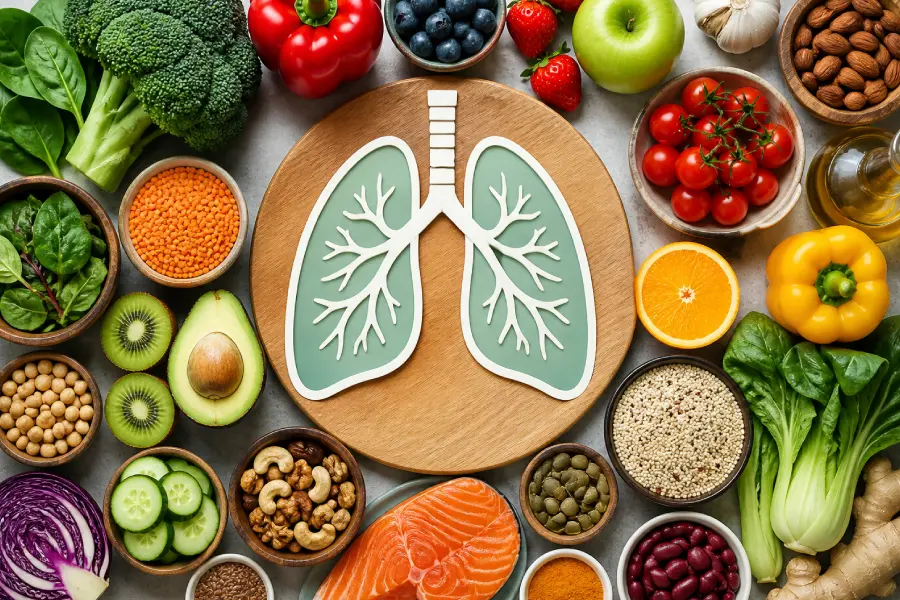
A healthy, balanced diet plays a crucial role in reducing the risk of lung cancer by strengthening the immune system and protecting cells from damage.
While no single food can completely prevent cancer, consuming nutrient-rich, antioxidant-packed foods can help lower inflammation, neutralize harmful free radicals, and support overall lung health.
Combining the right diet with a healthy lifestyle, such as avoiding smoking and staying physically active, can significantly reduce your risk.
Broccoli, cauliflower, cabbage, and kale contain compounds that help detoxify harmful substances and may reduce cancer risk.
Spinach, lettuce, and Swiss chard are rich in vitamins, minerals, and antioxidants that support immune health.
Berries, oranges, apples, and grapes help fight oxidative stress and protect lung cells.
Brown rice, oats, and whole wheat provide fiber and nutrients that promote overall health and reduce inflammation.
Almonds, walnuts, flaxseeds, and chia seeds are packed with healthy fats and antioxidants.
Helps boost immunity and may reduce lung inflammation. Found in citrus fruits, bell peppers, and strawberries.
Supports cell protection and is abundant in carrots, sweet potatoes, and pumpkin.
Reduce inflammation and support lung function. Found in fatty fish like salmon, walnuts, and flaxseeds.
Protects cells from damage and supports immune function. Found in nuts, seeds, and vegetable oils.
Processed and Fried Foods
These are often loaded with unhealthy fats, excess salt, and additives. Eating them regularly can increase inflammation in the body and may affect overall lung health over time.
Excess Red and Processed Meat
Frequent consumption of red meat and processed options like sausages or bacon has been linked to a higher cancer risk. It’s better to keep portions moderate and not make them a daily habit.
Sugary Drinks and Snacks
Foods high in added sugar can weaken your immune system and contribute to ongoing inflammation. Cutting back on soft drinks, packaged juices, and sweets can make a noticeable difference.
Alcohol (Excessive Intake)
Drinking too much alcohol over time may increase the risk of several cancers, including lung cancer. If consumed, it’s best to keep it occasional and within recommended limits.
Here’s a simple, practical meal plan suited to typical English eating habits. It focuses on fresh, balanced foods that are easy to find and maintain long term.
Breakfast
Lunch
Afternoon Snack
Dinner
A nutrient-dense diet rich in fruits, vegetables, whole grains, and healthy fats can play a supportive role in lung cancer prevention. While diet alone cannot eliminate the risk, making healthy food choices combined with a clean lifestyle can significantly improve lung health and overall well-being.
A healthy diet can’t completely prevent lung cancer, but it can lower your risk. Eating more fruits, vegetables, and whole foods helps your body fight inflammation and supports overall lung health.
Foods rich in antioxidants are considered helpful. This includes leafy greens, berries, apples, nuts, whole grains, and foods like garlic, turmeric, and green tea.
Yes, regularly eating processed foods, fried items, excess red meat, and sugary snacks may increase inflammation and negatively affect your health over time.
A plant-based diet can be beneficial because it is naturally high in fiber, vitamins, and antioxidants. However, a balanced diet with lean proteins can also support lung health.
Green tea contains antioxidants that may support lung function and reduce oxidative stress, but it should be part of an overall healthy lifestyle.
While quitting smoking is the most important step, improving diet can still help support the body and reduce further damage.
Staying hydrated helps keep the airways moist and supports overall body function, which indirectly benefits lung health.
Most people can get the nutrients they need from a balanced diet. Supplements should only be taken if recommended by a healthcare professional.
You may not notice immediate changes, but consistent healthy eating over time supports better immunity and overall health.
Avoid smoking, stay physically active, manage stress, maintain a healthy weight, and go for regular health check-ups.