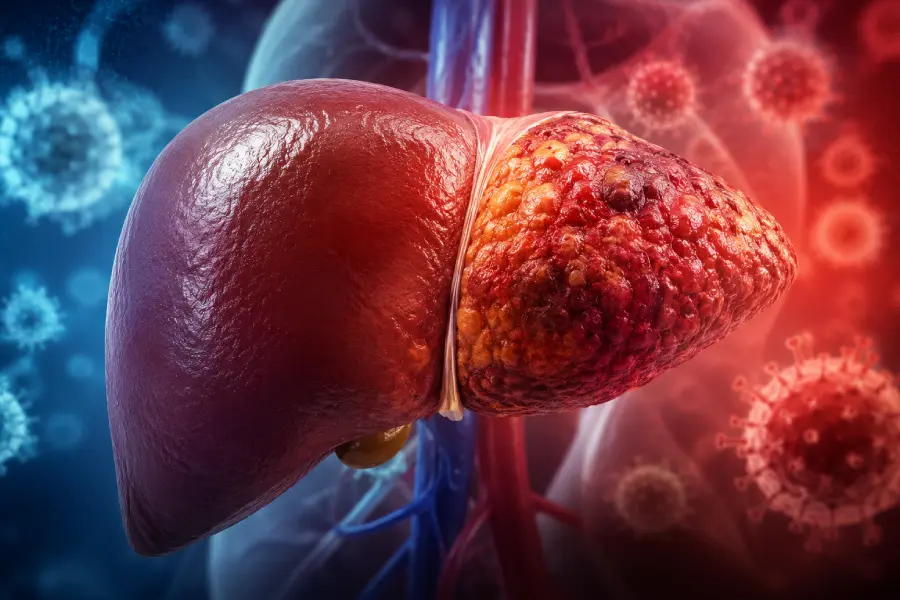
The liver plays a vital role in filtering toxins, supporting digestion, regulating metabolism, and maintaining overall health. When hepatitis causes inflammation in the liver, the body may begin showing several warning signs that should never be ignored. In many cases, liver damage develops slowly, and symptoms may remain mild during the early stages. Recognizing these signs early can help reduce the risk of serious liver complications.
Hepatitis is a condition that causes inflammation of the liver, commonly due to viral infections such as Hepatitis B or Hepatitis C. Over time, ongoing inflammation may interfere with normal liver function and increase the risk of fibrosis, cirrhosis, liver failure, or liver cancer if left untreated.
The severity of symptoms may vary from person to person depending on the type of hepatitis, overall health condition, and stage of liver damage.
Persistent Fatigue and Weakness
One of the earliest signs of liver inflammation is constant tiredness. People with hepatitis may feel physically exhausted even after getting enough rest. Reduced liver function can affect energy production and cause weakness throughout the day.
Yellowing of the Skin and Eyes (Jaundice)
Jaundice is a common symptom of liver dysfunction. It occurs when the liver cannot properly process bilirubin, leading to a yellow appearance in the skin and eyes. This symptom often indicates that the liver is under significant stress.
Dark-Colored Urine
Hepatitis-related liver problems may cause urine to appear dark yellow, amber, or brown. This change can occur when excess bilirubin builds up in the bloodstream and is excreted through urine.
Abdominal Pain or Swelling
Pain or discomfort in the upper right side of the abdomen may signal liver inflammation. Some individuals may also experience abdominal swelling caused by fluid accumulation, especially in advanced liver disease.
Loss of Appetite
People with hepatitis often notice reduced appetite, nausea, or a feeling of fullness after eating small amounts of food. This can eventually contribute to unintended weight loss and nutritional deficiencies.
Nausea and Digestive Problems
Liver inflammation may interfere with normal digestion. Symptoms such as nausea, vomiting, bloating, indigestion, or stomach discomfort can occur as the liver struggles to process nutrients efficiently.
Pale or Clay-Colored Stools
Changes in stool color may also indicate liver dysfunction. Pale or gray-colored stools can occur when bile flow from the liver becomes blocked or reduced.
Itchy Skin
Chronic liver disease caused by hepatitis may lead to persistent skin itching. This can happen due to the buildup of bile salts and toxins in the body when liver function declines.
Easy Bruising or Bleeding
The liver helps produce proteins responsible for blood clotting. When the liver becomes damaged, people may bruise more easily or experience frequent bleeding from minor injuries.
Swelling in the Legs and Feet
Fluid retention in the lower body may develop when liver function worsens. Swelling in the ankles, legs, or feet can be a warning sign of advanced liver disease.
| Type of Hepatitis | Description | Possible Impact on the Liver |
|---|---|---|
| Hepatitis A | Hepatitis A is usually a short-term viral infection that causes temporary liver inflammation. Most people recover completely with proper care and rest. | May cause temporary liver swelling, fatigue, jaundice, and digestive discomfort, but long-term liver damage is uncommon. |
| Hepatitis B | Hepatitis B can become a chronic infection and may gradually damage the liver over time if not properly managed. | Long-term infection may increase the risk of liver scarring, cirrhosis, liver failure, and liver cancer. |
| Hepatitis C | Hepatitis C often develops silently without obvious symptoms for years and may lead to serious liver complications if left untreated. | Can slowly damage liver tissue and significantly increase the risk of chronic liver disease and cirrhosis. |
| Alcoholic Hepatitis | This condition occurs due to excessive alcohol consumption and can severely damage liver cells over time. | Continuous alcohol-related inflammation may lead to severe liver damage, fibrosis, and liver failure. |
| Autoimmune Hepatitis | Autoimmune hepatitis develops when the immune system mistakenly attacks healthy liver tissue, causing chronic inflammation. | Persistent immune-related inflammation may gradually damage liver cells and impair normal liver function. |
Several lifestyle habits, medical conditions, and environmental factors may increase the risk of hepatitis-related liver damage. Understanding these risk factors can help individuals take preventive measures and protect long-term liver health.
Excessive Alcohol Consumption
Frequent or heavy alcohol intake can place significant stress on the liver and worsen inflammation caused by hepatitis. Over time, excessive alcohol use may increase the risk of liver scarring, cirrhosis, and liver failure.
Smoking and Unhealthy Lifestyle Habits
Smoking may contribute to oxidative stress and inflammation in the body, which can negatively affect liver function. Lack of physical activity, poor sleep, and unhealthy daily habits may further increase the risk of liver complications.
Obesity and Fatty Liver Disease
Being overweight or obese may lead to the buildup of excess fat in the liver, commonly known as fatty liver disease. When combined with hepatitis, fatty liver can accelerate liver inflammation and increase the risk of long-term liver damage.
Unsafe Blood Exposure
Exposure to infected blood through unsterilized medical equipment, unsafe transfusions, or accidental contact with contaminated blood may increase the risk of viral hepatitis infections such as Hepatitis B and Hepatitis C.
Sharing Contaminated Needles
Sharing needles, syringes, or sharp instruments can significantly increase the risk of hepatitis transmission. This remains one of the major causes of blood-borne hepatitis infections worldwide.
Long-Term Untreated Hepatitis Infection
Chronic hepatitis infections that remain untreated for years may gradually damage liver tissue. Persistent inflammation can eventually lead to fibrosis, cirrhosis, liver failure, or liver cancer.
Poor Dietary Habits
A diet high in processed foods, unhealthy fats, sugar, and excess salt may place additional strain on the liver. Poor nutrition can weaken the body’s ability to repair damaged liver cells and support overall liver function.
Weak Immune System
Individuals with weakened immune systems may be more vulnerable to infections and liver-related complications. Certain medical conditions, medications, or ongoing illnesses may reduce the body’s ability to fight hepatitis infections effectively.
Unprotected Sexual Contact
Hepatitis B can spread through unprotected sexual activity with an infected person. Practicing safe hygiene and protection measures may help reduce the risk of transmission.
Lack of Regular Medical Checkups
Many liver diseases develop silently without noticeable symptoms during the early stages. Skipping regular health screenings and liver function tests may delay diagnosis and treatment, increasing the risk of severe liver damage over time.
| Liver Health Tip | Why It Is Important During Hepatitis | How It Supports the Liver |
|---|---|---|
| Follow your doctor’s treatment plan carefully | Proper treatment helps control hepatitis infection and reduce complications | Supports recovery and helps prevent further liver damage |
| Avoid alcohol and smoking | Alcohol and smoking can worsen liver inflammation | Helps protect healthy liver cells and improve liver function |
| Eat a balanced and nutritious diet | The liver needs proper nutrients to function effectively | Supports liver repair, immunity, and overall health |
| Stay physically active | Physical activity improves overall body function and circulation | Helps reduce fat buildup in the liver and supports metabolism |
| Maintain a healthy body weight | Excess weight may increase the risk of fatty liver disease | Reduces additional pressure and stress on the liver |
| Avoid self-medication without medical advice | Some medicines and supplements may harm the liver | Helps prevent medication-related liver complications |
| Get regular liver health monitoring | Regular checkups can detect liver problems early | Allows timely medical care and better disease management |
| Stay hydrated and get enough rest | Hydration and rest are important for recovery and healing | Helps the body function properly and reduces fatigue |
| Limit processed and oily foods | Unhealthy foods may increase liver stress and inflammation | Supports healthier digestion and liver performance |
| Practice safe hygiene and infection prevention | Preventing infections can reduce hepatitis-related risks | Helps protect long-term liver health and overall well-being |
Many people with hepatitis may not experience noticeable symptoms during the early stages of infection. Regular health checkups, liver function tests, hepatitis screening, and imaging scans are important for detecting liver problems before serious complications develop.
Early diagnosis allows doctors to begin appropriate treatment plans that may help slow disease progression, reduce liver inflammation, and protect long-term liver function. Depending on the type of hepatitis, healthcare professionals may recommend antiviral medications such as Tenofovir, Entecavir, Sofosbuvir, or Ledipasvir as part of treatment and long-term disease management.
Seeking timely medical attention, following prescribed medications, and maintaining a healthy lifestyle may help reduce the risk of cirrhosis, liver failure, and other severe liver complications.
Yes, long-term or untreated hepatitis can permanently damage the liver and may lead to fibrosis, cirrhosis, liver failure, or liver cancer in severe cases.
Common early symptoms may include fatigue, nausea, loss of appetite, abdominal discomfort, dark urine, and mild jaundice.
Yes, some people with hepatitis may not experience symptoms for months or even years, especially in chronic Hepatitis B and Hepatitis C infections.
Doctors may diagnose hepatitis through blood tests, liver function tests, imaging scans, and in some cases, liver biopsy or fibrosis assessment.
Certain types of hepatitis, such as Hepatitis A, B, and C, can spread through contaminated food, blood exposure, or bodily fluids depending on the type of infection.
Early-stage liver inflammation may improve with timely treatment and healthy lifestyle changes, but severe liver scarring may become permanent.
Hepatitis B and Hepatitis C are more likely to become chronic infections and may gradually damage the liver over time.
Yes, chronic hepatitis infections can increase the risk of developing liver cancer, particularly when liver damage progresses to cirrhosis.
Alcohol, fried foods, processed snacks, excess sugar, and oily foods should generally be limited because they may place additional stress on the liver.
Yes, hepatitis may lead to nausea, bloating, indigestion, vomiting, and loss of appetite due to reduced liver function.
The timeline varies depending on the type of hepatitis, overall health, and treatment status. Some chronic infections may damage the liver slowly over several years.
Yes, maintaining a balanced diet, staying physically active, avoiding alcohol, and following medical advice may help support liver health.
Yes, regular monitoring helps doctors evaluate liver health, track disease progression, and adjust treatment plans when necessary.
Advanced liver damage may cause fluid retention, leading to swelling in the abdomen, legs, ankles, or feet.
Yes, persistent tiredness and weakness are among the most common symptoms associated with liver inflammation and hepatitis infections.
In advanced liver disease, toxin buildup in the body may sometimes affect concentration, memory, mood, and mental clarity.
Certain hepatitis viruses may spread through items contaminated with blood, such as razors, needles, or toothbrushes.
Vaccines are available for Hepatitis A and Hepatitis B and may help reduce the risk of infection.
Yes, hepatitis can affect people of all age groups, including children, depending on the type of infection and exposure risk factors.
Early diagnosis may help prevent severe liver complications and improve treatment outcomes through timely medical care and lifestyle management.