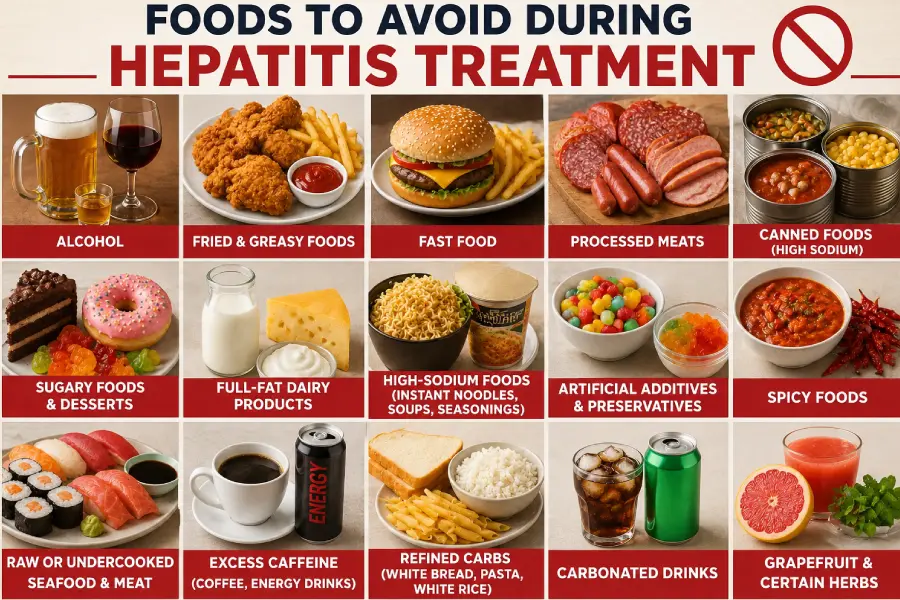
Managing your diet is an important part of supporting liver health during hepatitis treatment. The liver plays a major role in filtering toxins, processing nutrients, and supporting overall body functions. During hepatitis treatment, certain foods and beverages may put additional stress on the liver, worsen inflammation, or interfere with recovery. Following a liver-friendly diet can help improve energy levels, support treatment outcomes, and promote better overall health.
People undergoing treatment for hepatitis, including viral hepatitis such as Hepatitis B or Hepatitis C, often experience fatigue, digestive discomfort, nausea, and reduced appetite. Since the liver is already working harder to repair damaged tissues, consuming unhealthy foods may slow down the healing process.
A balanced and nutritious diet can help:
Alcohol is one of the most harmful substances for individuals with hepatitis. It can increase liver inflammation, accelerate liver damage, and reduce the effectiveness of hepatitis treatment. Avoiding alcohol completely is strongly recommended during and after treatment.
Deep-fried foods, fast food, and greasy meals are often high in unhealthy fats that may strain the liver. Excessive oily foods can also lead to digestive discomfort and weight gain, which may worsen liver health.
Common foods to limit include:
Many packaged foods contain preservatives, artificial additives, excess sodium, and unhealthy fats. These ingredients may increase liver workload and contribute to inflammation.
Examples include:
Excess sugar intake may contribute to fatty liver buildup and metabolic problems. Soft drinks, candies, desserts, and sugary beverages can increase unnecessary calorie intake without providing nutritional benefits.
Foods high in added sugar include:
Too much sodium may lead to fluid retention and increase pressure on the liver, especially in advanced liver disease cases. Reducing salt intake can help support healthier liver function.
Foods high in sodium may include:
Raw seafood may carry bacteria, viruses, or toxins that can be dangerous for people with liver disease. Individuals undergoing hepatitis treatment should avoid raw oysters, sushi containing raw fish, and undercooked shellfish.
Excessive Red Meat
Heavy consumption of red meat may be difficult for the liver to process in some hepatitis patients. Fatty cuts of meat can also increase cholesterol and digestive stress.
Instead, lighter protein sources such as fish, lentils, beans, tofu, and lean chicken may be better options when recommended by a healthcare professional.
Certain herbal products and supplements may harm the liver or interact with hepatitis medications. Some “detox” supplements can actually worsen liver damage. Always consult a healthcare provider before taking any supplements during hepatitis treatment.
| Healthy Eating Tip | How It Helps During Hepatitis Treatment | Recommended Food Choices |
|---|---|---|
| Eat Fresh Fruits and Vegetables | Fruits and vegetables provide essential vitamins, minerals, antioxidants, and fiber that help support liver function and strengthen the immune system during hepatitis treatment. | Apples, berries, oranges, papaya, spinach, broccoli, carrots, cucumber, leafy greens |
| Choose Whole Grains and Fiber-Rich Foods | Whole grains and high-fiber foods help improve digestion, maintain stable energy levels, and support better metabolism while reducing pressure on the liver. | Oats, brown rice, quinoa, whole wheat bread, barley, lentils, beans |
| Stay Hydrated Throughout the Day | Proper hydration helps the body flush out toxins, supports digestion, and may reduce fatigue commonly experienced during hepatitis treatment. | Water, coconut water, herbal tea, lemon water, fresh homemade juices |
| Consume Moderate Portions | Eating smaller and balanced meals can help reduce digestive discomfort, bloating, and stress on the liver while maintaining healthy nutrition levels. | Light home-cooked meals, portion-controlled snacks, balanced plates |
| Include Lean Proteins in Meals | Lean protein supports muscle strength, tissue repair, and overall recovery without placing excessive strain on the liver. | Skinless chicken, fish, tofu, eggs, low-fat dairy, legumes |
| Reduce Intake of Fried and Fatty Foods | Limiting unhealthy fats may help reduce liver inflammation and improve overall liver health during recovery. | Steamed, grilled, or baked foods instead of deep-fried meals |
| Limit Sugar and Processed Foods | Reducing excess sugar and processed foods may help prevent fatty liver buildup and maintain healthier metabolism. | Fresh fruits instead of sweets, homemade snacks, natural foods |
| Avoid Smoking and Alcohol | Alcohol and smoking can worsen liver damage and negatively affect the effectiveness of hepatitis treatment. | Focus on a clean lifestyle with healthy food and hydration habits |
| Follow Medical Dietary Advice Regularly | Every hepatitis patient may have different nutritional requirements based on liver condition and treatment plan, making professional guidance important. | Personalized meal plans recommended by doctors or dietitians |
| Maintain a Balanced Daily Diet | A balanced diet provides the body with steady nutrition, supports immunity, and helps improve overall recovery during hepatitis treatment. | Combination of vegetables, fruits, whole grains, healthy fats, and lean proteins |
Every hepatitis patient may have unique nutritional requirements based on the type of hepatitis, severity of liver disease, ongoing medications, and overall health condition. Patients undergoing hepatitis treatment with antiviral medicines such as Tenofovir, Entecavir, Sofosbuvir, Velpatasvir, Ledipasvir, Daclatasvir, or Ribavirin may benefit from a personalized liver-friendly diet that supports liver function, improves energy levels, helps manage treatment side effects, and promotes faster recovery.
Consulting a doctor or registered dietitian can help create a customized hepatitis diet plan designed to support safe treatment, better nutrition, improved liver health, and long-term wellness.
Conclusion
Avoiding unhealthy foods during hepatitis treatment can help reduce stress on the liver and support better healing. Limiting alcohol, fried foods, processed snacks, sugary drinks, and excessive salt intake may improve liver function and overall treatment outcomes. Along with proper medical care, a healthy and balanced diet plays an important role in supporting recovery from hepatitis and maintaining long-term wellness.