Prostate Cancer in Men Under 50: Early Signs, Risk Factors & Treatment Options
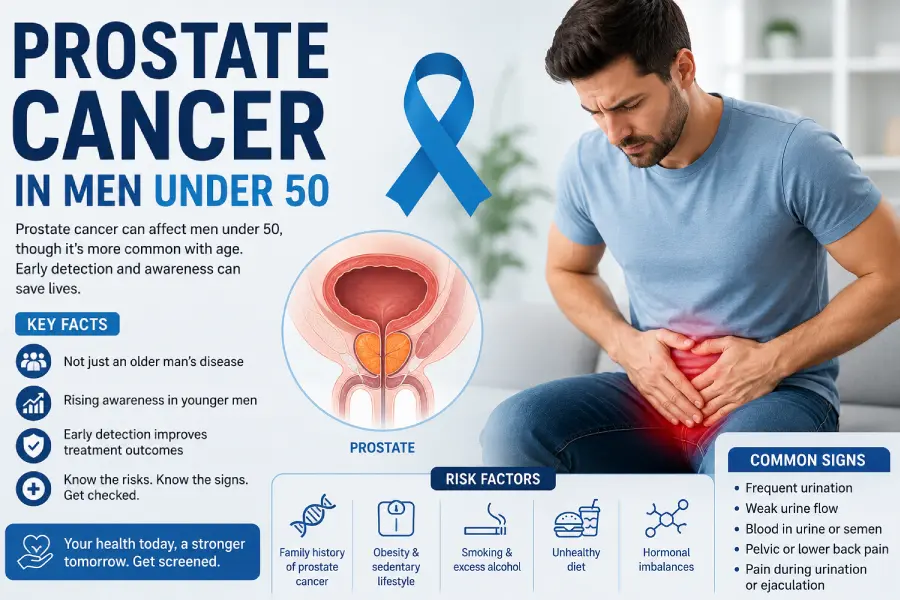
Prostate cancer is often considered a disease that affects older men, but it can also develop in men under 50. Although less common in younger adults, early-onset prostate cancer cases are increasing due to improved awareness, genetic factors, lifestyle changes, and advanced screening methods. Understanding the warning signs, risk factors, and available treatment options can help with early diagnosis and better treatment outcomes.
Can Men Under 50 Get Prostate Cancer?
Yes, men under 50 can develop prostate cancer. While the risk is higher after the age of 65, younger men with a strong family history, inherited genetic mutations, obesity, or unhealthy lifestyle habits may also be at risk. In some cases, prostate cancer in younger men may grow faster and require immediate medical attention.
Common Symptoms of Prostate Cancer in Younger Men
The symptoms of prostate cancer in men under 50 can vary depending on the stage and severity of the condition. Some men may not experience noticeable symptoms in the early stages. Common signs may include:
Frequent urination, especially at night
Difficulty starting or stopping urination
Weak urine flow
Blood in urine or semen
Pelvic discomfort or lower back pain
Pain during urination or ejaculation
Unexplained weight loss or fatigue in advanced cases
Risk Factors for Prostate Cancer Before Age 50
Several factors may increase the chances of developing prostate cancer at a younger age.
Family history of prostate cancer is one of the most significant risk factors. Men with a father, brother, or close relative diagnosed with prostate cancer may have a higher chance of developing the condition.
Inherited genetic mutations such as BRCA1 or BRCA2 can increase the risk of aggressive prostate cancer and may lead to earlier development of the disease.
Obesity and lack of physical activity may contribute to hormonal changes, inflammation, and other health conditions linked to increased cancer risk.
Smoking and excessive alcohol consumption can negatively affect overall health and may increase the likelihood of various cancers, including prostate cancer.
A high-fat or processed food diet, especially one rich in red meat, processed meats, and unhealthy fats, may contribute to inflammation and poor prostate health.
Hormonal imbalances, including abnormal testosterone levels, may influence the growth and development of prostate cancer cells in some individuals.
Chronic inflammation or long-term prostate infections may also affect prostate health and increase the risk of abnormal cell growth.
Ethnicity may play a role, as some studies suggest that African and Caribbean men may have a higher risk of developing prostate cancer at a younger age.
Exposure to harmful chemicals, environmental toxins, or unhealthy lifestyle habits over time may also contribute to increased cancer risk.
Men with poor dietary habits, high stress levels, and untreated medical conditions may face additional health complications that can impact overall prostate health.
Importance of Early Detection
Early diagnosis plays a major role in improving survival rates and treatment success. Men with a family history of prostate cancer or persistent urinary symptoms should consider regular medical checkups and prostate screening tests. Common diagnostic methods include:
PSA (Prostate-Specific Antigen) blood test to measure PSA levels in the blood, which may help identify abnormal prostate activity or possible signs of prostate cancer.
Digital Rectal Examination (DRE), where a doctor physically examines the prostate gland to check for unusual lumps, enlargement, or irregularities.
MRI scans and advanced imaging tests to provide detailed images of the prostate and help detect suspicious areas that may require further evaluation.
Prostate biopsy for confirmation, where small tissue samples are collected and examined under a microscope to determine the presence of cancer cells.
Genetic testing may also be recommended for men with a strong family history of prostate or related cancers to identify inherited risk factors such as BRCA mutations.
Additional laboratory tests and imaging procedures may be used to determine the stage, aggressiveness, and spread of the cancer if diagnosed.
Treatment Options for Prostate Cancer in Men Under 50
Treatment for prostate cancer in men under 50 depends on several factors, including the stage of cancer, tumor aggressiveness, PSA levels, overall health condition, and personal treatment goals. Younger patients often respond well to modern prostate cancer therapies, and early treatment can help improve long-term outcomes and quality of life. Common treatment options may include:
Active surveillance for slow-growing or low-risk prostate cancer, where doctors closely monitor the condition through regular PSA tests, scans, and follow-up examinations without immediate aggressive treatment.
Robotic or minimally invasive prostate surgery to remove the prostate gland while reducing recovery time, blood loss, and the risk of complications.
Radiation therapy, including external beam radiation or brachytherapy, to target and destroy cancer cells while preserving nearby healthy tissues.
Hormone therapy to reduce testosterone levels that may help fuel the growth of prostate cancer cells, especially in advanced or recurrent cases.
Targeted therapy and advanced oncology medications such as Abiraterone, Apalutamide, Enzalutamide, Darolutamide, Olaparib, Docetaxel, Cabazitaxel, Pembrolizumab, and Lutetium-177 PSMA therapy are designed to attack specific cancer cells and support more personalized treatment approaches for prostate cancer patients.
Immunotherapy in selected patients to help strengthen the body’s immune system in fighting cancer more effectively.
Chemotherapy may be recommended for aggressive or advanced prostate cancer that has spread beyond the prostate gland.
Combination treatment plans, such as surgery combined with radiation or hormone therapy, may be used for better disease control in certain cases.
Supportive care and rehabilitation programs can also help patients manage side effects, improve recovery, and maintain overall physical and emotional well-being during treatment.
How to Reduce the Risk of Prostate Cancer
Maintaining a healthy lifestyle may help reduce the risk of prostate cancer and support better long-term prostate health. While there is no guaranteed way to prevent prostate cancer completely, certain daily habits and preventive measures may lower the chances of developing the disease and improve overall well-being.
Follow a balanced diet rich in fruits, vegetables, whole grains, and antioxidant-rich foods that support immune health and reduce inflammation.
Include foods such as tomatoes, broccoli, berries, green tea, and fatty fish, which may help support prostate health naturally.
Exercise regularly and maintain a healthy body weight, as obesity and physical inactivity may increase the risk of several health conditions, including prostate cancer.
Avoid smoking and limit alcohol intake, as tobacco use and excessive alcohol consumption can negatively affect overall health and may contribute to cancer risks.
Reduce the intake of processed foods, red meat, sugary drinks, and high-fat meals that may increase inflammation in the body.
Stay hydrated and maintain a healthy daily routine to support better urinary and prostate function.
Manage stress levels through proper sleep, relaxation techniques, and regular physical activity to improve overall health.
Schedule regular medical checkups and prostate screenings, especially if you have a family history of prostate cancer or experience persistent urinary symptoms.
Discuss PSA testing and prostate health monitoring with your healthcare provider for early detection and timely medical guidance.
Final Thoughts
Although prostate cancer is more common in older men, men under 50 can also develop the disease. Recognizing early symptoms, understanding personal risk factors, and seeking timely medical advice are important steps toward early detection and effective treatment. With modern diagnostic tools and advanced prostate cancer therapies, many younger men can successfully manage the condition and maintain a good quality of life.